
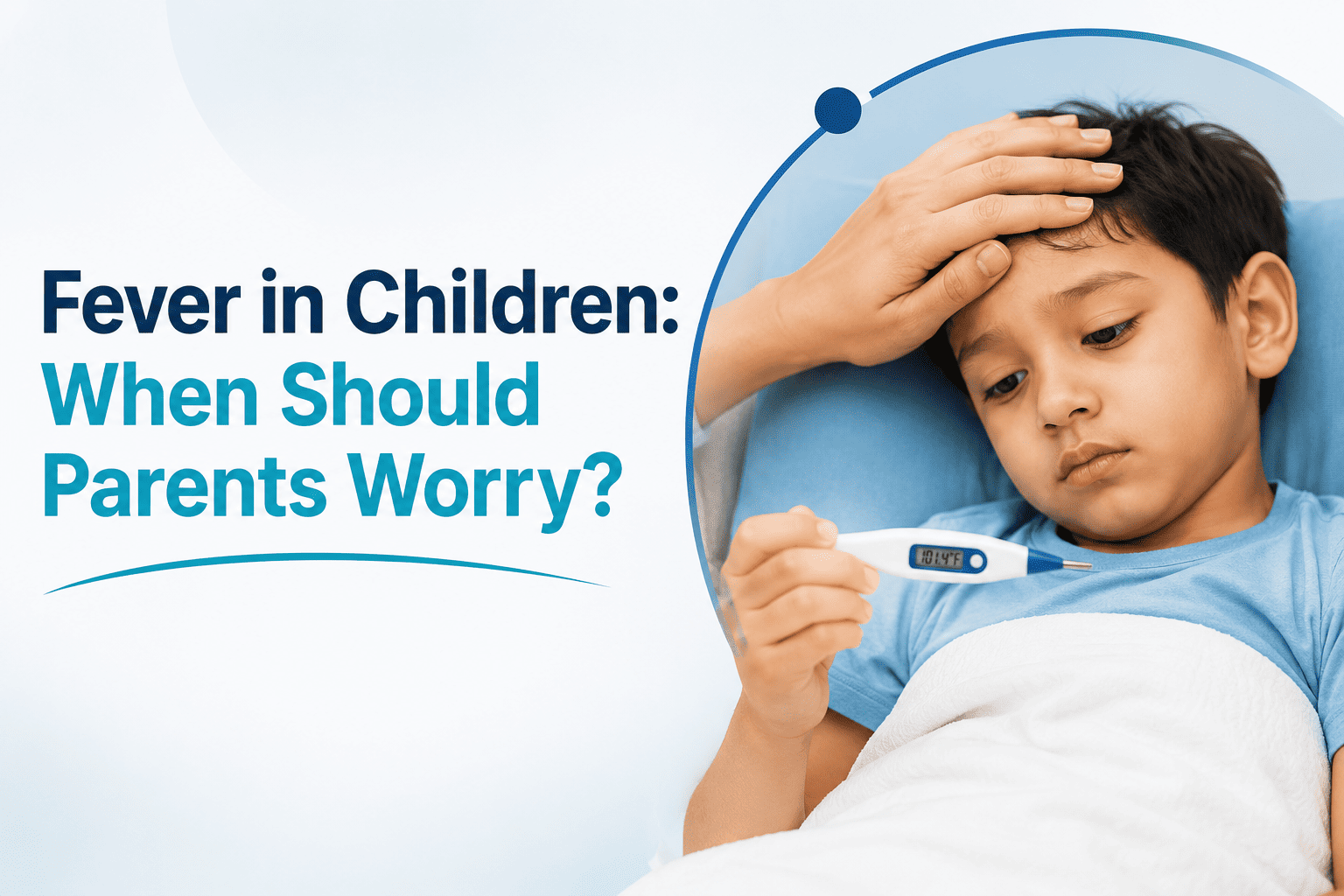
Fever in Children: When Should Parents Worry?
Fever is one of the most common reasons parents bring their children to a pediatrician. While seeing a high temperature on the thermometer can be worrying, it is important to remember that fever itself is not a disease. In most cases, fever is the body’s natural response to an infection and helps the immune system fight illness.
Understanding when a fever is normal and when it may require medical attention can help parents make informed decisions and avoid unnecessary anxiety.
What Is Considered a Fever?
A child’s normal body temperature is usually around 98.6°F (37°C), although it can vary slightly throughout the day.
Generally, a temperature of:
- 100.4°F (38°C) or higher is considered a fever.
- Temperatures may be measured using digital thermometers placed orally, under the arm, in the ear, or rectally for infants.
Common Causes of Fever in Children
Fever can occur due to many reasons, including:
- Viral infections such as the common cold or flu
- Ear infections
- Throat infections
- Stomach infections
- Urinary tract infections
- Vaccination-related reactions
- Teething-related discomfort (though teething alone usually does not cause high fever)
In most cases, fever is a sign that the body is actively fighting an infection.
Symptoms That May Accompany Fever
Along with a raised temperature, children may experience:
- Tiredness or weakness
- Reduced appetite
- Irritability
- Runny nose
- Cough
- Sore throat
- Headache
- Body aches
Many children remain active and playful even with a mild fever, which is often reassuring.
How Parents Can Care for a Child With Fever at Home
If your child has a mild fever but is otherwise comfortable and drinking fluids, home care may be sufficient.
Encourage Fluids
Fever can increase fluid loss and lead to dehydration. Offer:
- Water
- Breast milk
- Formula milk
- Oral rehydration solutions when needed
Allow Rest
Children recover faster when they get adequate rest. Encourage quiet activities and proper sleep.
Dress Comfortably
Avoid overdressing your child. Light clothing helps regulate body temperature naturally.
Monitor Temperature
Check your child’s temperature periodically and observe their behavior, energy levels, and fluid intake.
Use Medication Only as Advised
Fever-reducing medications should be used according to your pediatrician’s recommendations and based on the child’s age and weight.
When Should Parents Be Concerned?
Although most fevers are harmless and temporary, certain situations require prompt medical attention.
Seek Medical Advice If:
- Fever lasts more than 2–3 days.
- Your child refuses fluids.
- Your child appears unusually sleepy or difficult to wake.
- Breathing becomes difficult.
- Persistent vomiting occurs.
- Severe headache develops.
- The child complains of significant pain.
- Symptoms continue to worsen instead of improving.
Fever in Babies Requires Extra Attention
Infants have developing immune systems and should be monitored more carefully.
Contact your pediatrician promptly if:
- A baby younger than 3 months develops a fever.
- An infant appears unusually irritable, weak, or lethargic.
- Feeding decreases significantly.
Young babies can become ill more quickly and should always be evaluated appropriately.
Can Fever Cause Seizures?
Some children may experience febrile seizures during rapid increases in body temperature. While this can be frightening for parents, most febrile seizures are short and do not cause long-term problems.
However, any seizure should be evaluated by a healthcare professional immediately.
Common Myths About Fever
Myth: Every Fever Is Dangerous
Fact: Most childhood fevers are caused by common infections and resolve with proper care.
Myth: Higher Fever Means More Serious Illness
Fact: The child’s overall condition is often more important than the exact temperature reading.
Myth: Fever Must Always Be Treated Immediately
Fact: Fever is a natural defense mechanism. Treatment is usually focused on keeping the child comfortable rather than simply reducing temperature.
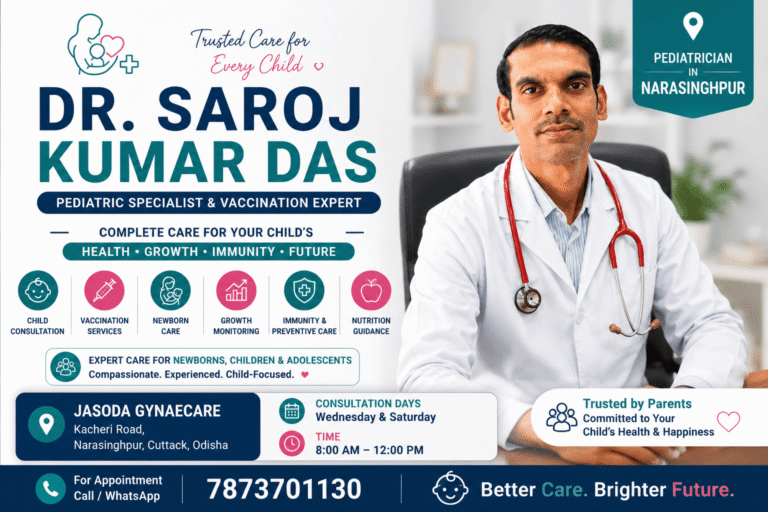
When to Visit Dr. Saroj Kumar Das
If you are concerned about your child’s fever, it is always best to seek professional medical advice.
Dr. Saroj Kumar Das provides comprehensive pediatric care for newborns, infants, children, and adolescents. Through careful evaluation and parent-focused guidance, he helps families understand the cause of fever and ensures children receive appropriate treatment and support.
Final Thoughts
Fever is a common part of childhood and is often a sign that the body is working to fight infection. While most fevers can be managed safely at home, parents should watch for warning signs and seek medical care when needed.
When in doubt, consulting a qualified pediatrician can provide reassurance, proper diagnosis, and the best care for your child’s health and well-being.